Resilient Food Production Starts With Repeatable Systems
Local food production becomes more resilient when engineering, water management, operating procedures and real customer demand are designed as one system.
Controlled-environment agriculture becomes commercially relevant when engineering, water management, operations and local demand work as one system.
Food production is becoming harder to plan. Weather volatility, water constraints, energy costs and long supply routes can affect availability and pricing before produce reaches the consumer. Local production can reduce some of that exposure, but a greenhouse or irrigation component on its own does not create a resilient food business.
The real challenge is repeatability. A production system must deliver suitable growing conditions, use water precisely, support consistent operating procedures and fit the economics of its location. It must also connect production with real demand. ZQ Organic is being developed around this systems approach.
The Unit of Value Is the Complete Production System
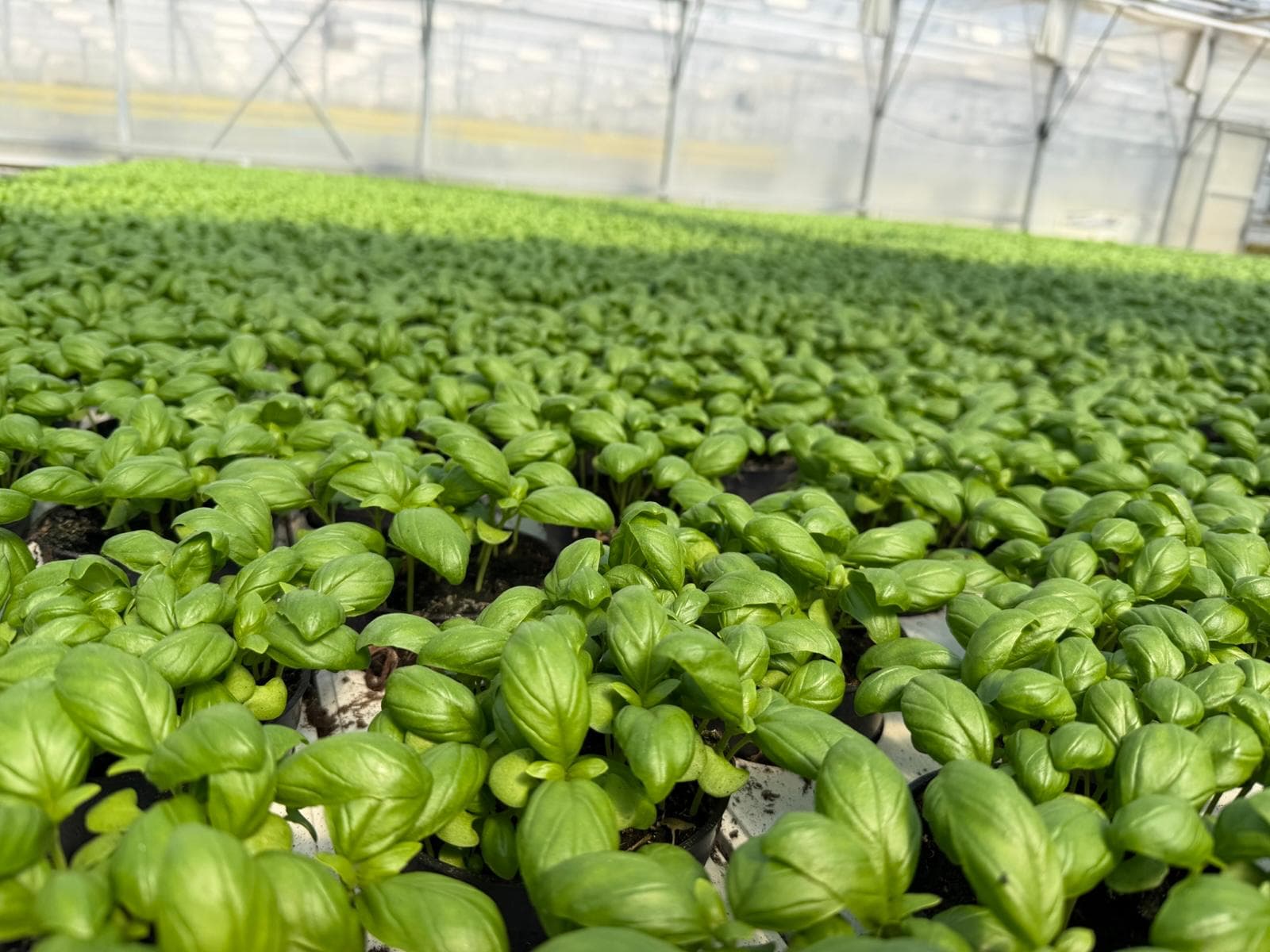
Controlled-environment agriculture brings cultivation into a more managed setting. Temperature, humidity, irrigation, nutrition and crop protection can be monitored more closely than in open-field production. This gives operators more control, but it also raises the standard for engineering and operating discipline.
The commercial system includes the structure, irrigation, climate controls, crop protocols, energy planning, maintenance, training, data and sales route. Weakness in any one of these areas can affect the entire business. A technically strong installation can still underperform when the operator lacks procedures, local service capability or a realistic offtake plan.
ZQ Organic therefore treats infrastructure as one part of a wider operating model. The objective is to develop configurations that can be documented, tested and adapted to local conditions without rebuilding the concept from zero for every market.
Water Management Is a Core Design Decision
Water is central to both crop performance and operating efficiency. Precise irrigation helps deliver the right amount at the right time, but precision depends on more than equipment. The system needs reliable controls, clear installation standards, monitoring and operating instructions that local teams can follow.
Within ZQ Organic, irrigation system prototyping has been completed and final technical documentation is in progress. This is an important development stage because documentation converts prototype knowledge into an asset that can be reviewed, improved and transferred. It also creates the basis for consistent installation, testing, maintenance and training.
The milestone should be understood accurately. Completing a prototype does not mean that every future operating and commercial question has been solved. It means that the technical concept has moved forward and the work can now be captured in a form suitable for the next stages of validation and deployment planning.
Local Production Must Be Designed Around Local Reality
A controlled-environment system must reflect the conditions of the market in which it will operate. Climate, energy, water quality, labour, logistics, crop selection and customer demand vary from one location to another. A modular approach can create a common technical foundation while allowing the final configuration to respond to those differences.
Local demand is equally important. Production planning should begin with the customers the system can realistically serve, the volumes they require and the quality standards they expect. Retailers, hospitality businesses, food processors and distributors may have different needs. The crop plan, harvest rhythm, packaging and logistics must connect to that demand.
This demand-led logic can reduce the risk of building capacity before the market route is clear. It also gives investors and operating partners a better basis for evaluating the business case, because production assumptions are connected to identified customers rather than a theoretical market size.
From Prototype to Replicable Infrastructure
The path from prototype to a repeatable production model requires patient technical work. Documentation must be completed. Components must be tested together. Installation and operating procedures need to be defined. Crop performance and resource use must be measured over time. Costs and local service requirements must be understood before broader deployment.
This work creates value because it reduces dependence on informal know-how. A documented system can be assessed by engineers, operators, partners and investors. Training becomes more consistent. Technical improvements can be incorporated into the next configuration. The same foundation can support new locations while preserving the lessons from earlier installations.
ZQ Organic's opportunity lies in combining sustainable agriculture with the venture-building capabilities of the ZeeQuest ecosystem. Technology, engineering, operating partners, market access and capital need to move in sequence. The project should scale only when the evidence supports the next step.
Building Food Infrastructure With Discipline
Resilient local food production will not come from one machine, one crop or one financing round. It will come from production systems that are technically sound, operationally practical and connected to demand.
ZQ Organic is progressing through that process. With irrigation prototyping completed and final technical documentation underway, the immediate focus is to consolidate the technical work and prepare the foundation for further validation. That is how a promising concept becomes infrastructure that can be evaluated, repeated and improved.