
KraftPal Sustainability
Engineering Better Logistics with Less Material Impact
Sustainability is not a single feature. It is the result of decisions made across materials, engineering, manufacturing, transportation, use, recovery, and renewal. KraftPal explored how one of the most familiar components of global logistics could be redesigned around that complete lifecycle.
Sustainability by Design
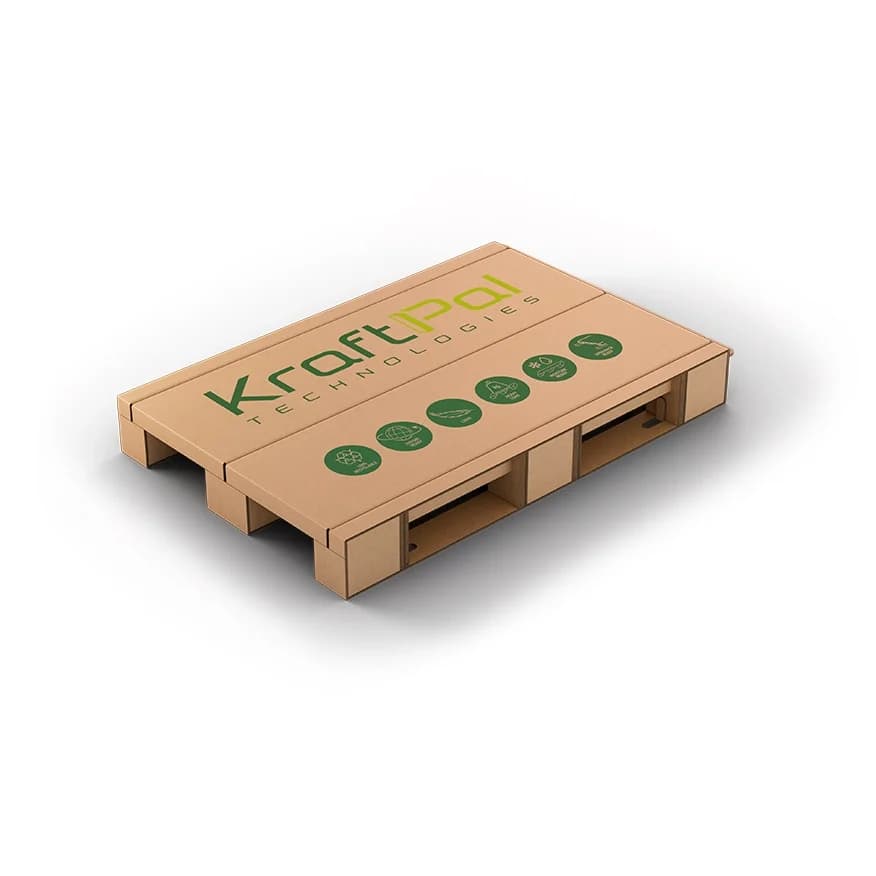

For KraftPal, sustainability began with the product itself.
The objective was not to add an environmental story to a conventional pallet. It was to rethink the pallet around renewable fibre, efficient engineering, and compatibility with established recycling systems.
That approach connected environmental responsibility with the practical demands of industrial logistics.
Sustainable innovation becomes meaningful when responsible material choices also support real operational performance.
Renewable Materials, Industrial Performance
Material selection determines both environmental impact and engineering possibility.
Corrugated fibre is based on renewable paper resources and can circulate through mature recovery and recycling infrastructure in many markets.
KraftPal used structural geometry and precision manufacturing to transform that familiar material into a high-performance logistics platform.
The goal was not simply to use less material, but to make every unit of material work harder.

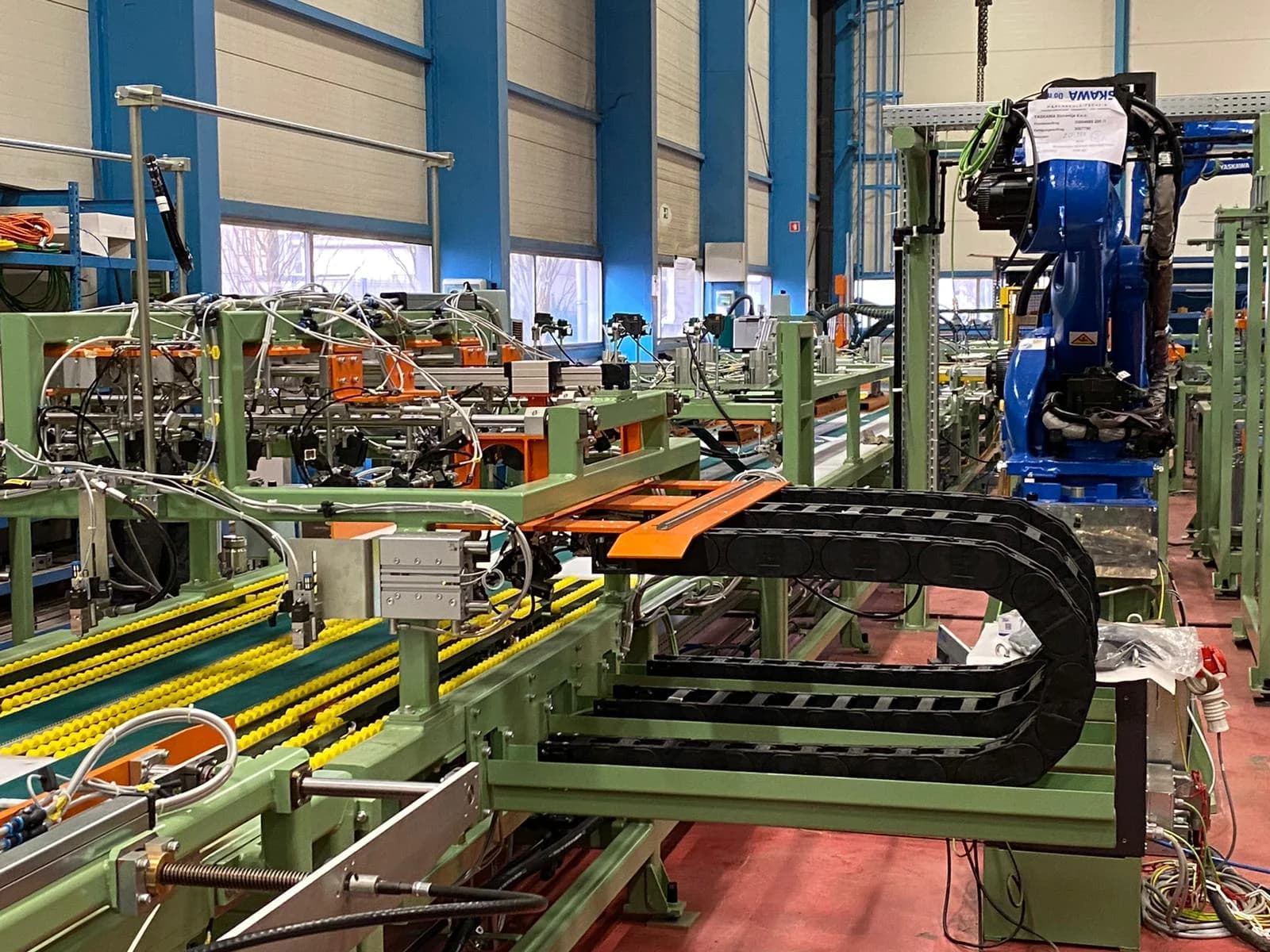
Efficient Manufacturing and Handling
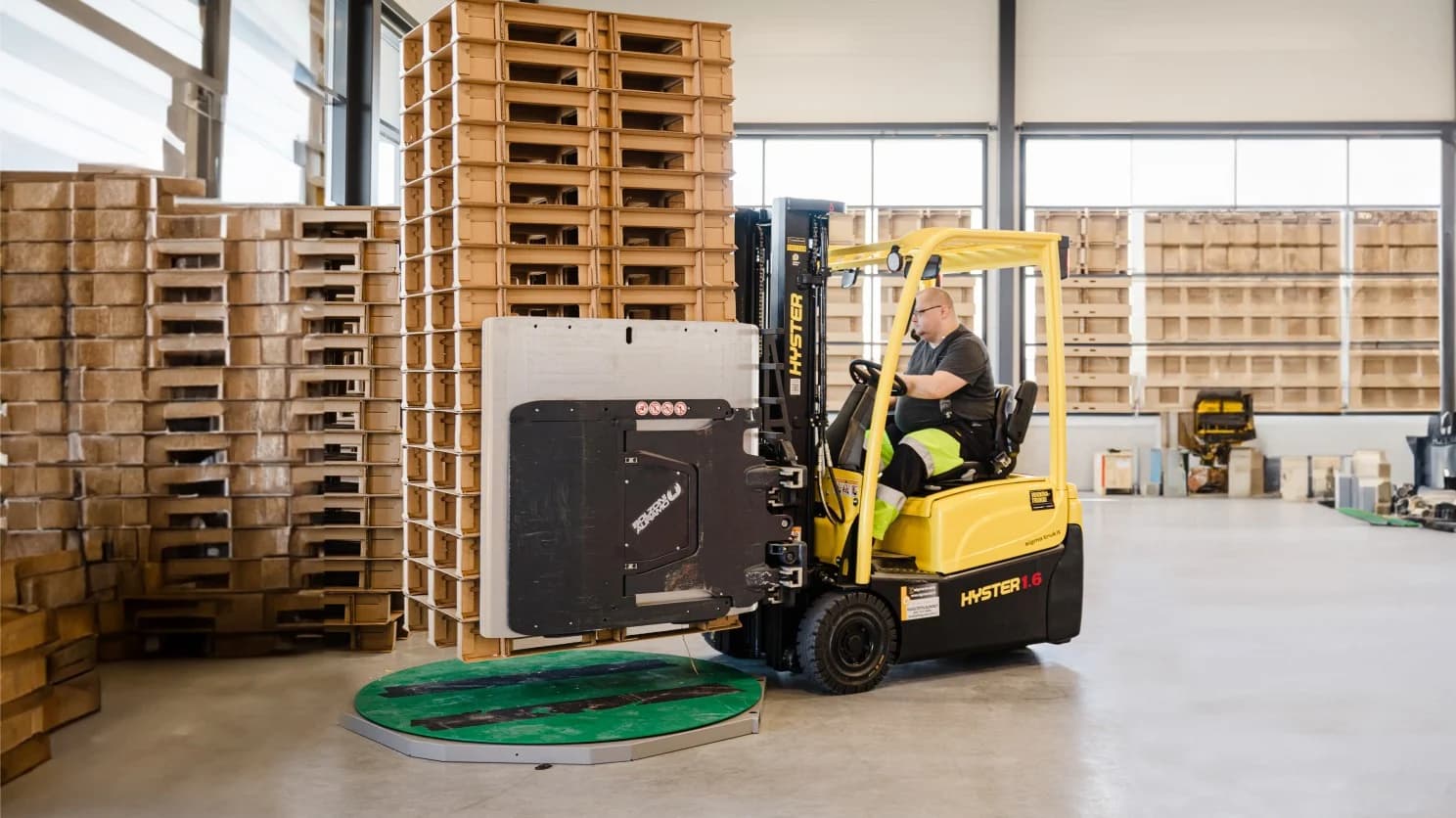
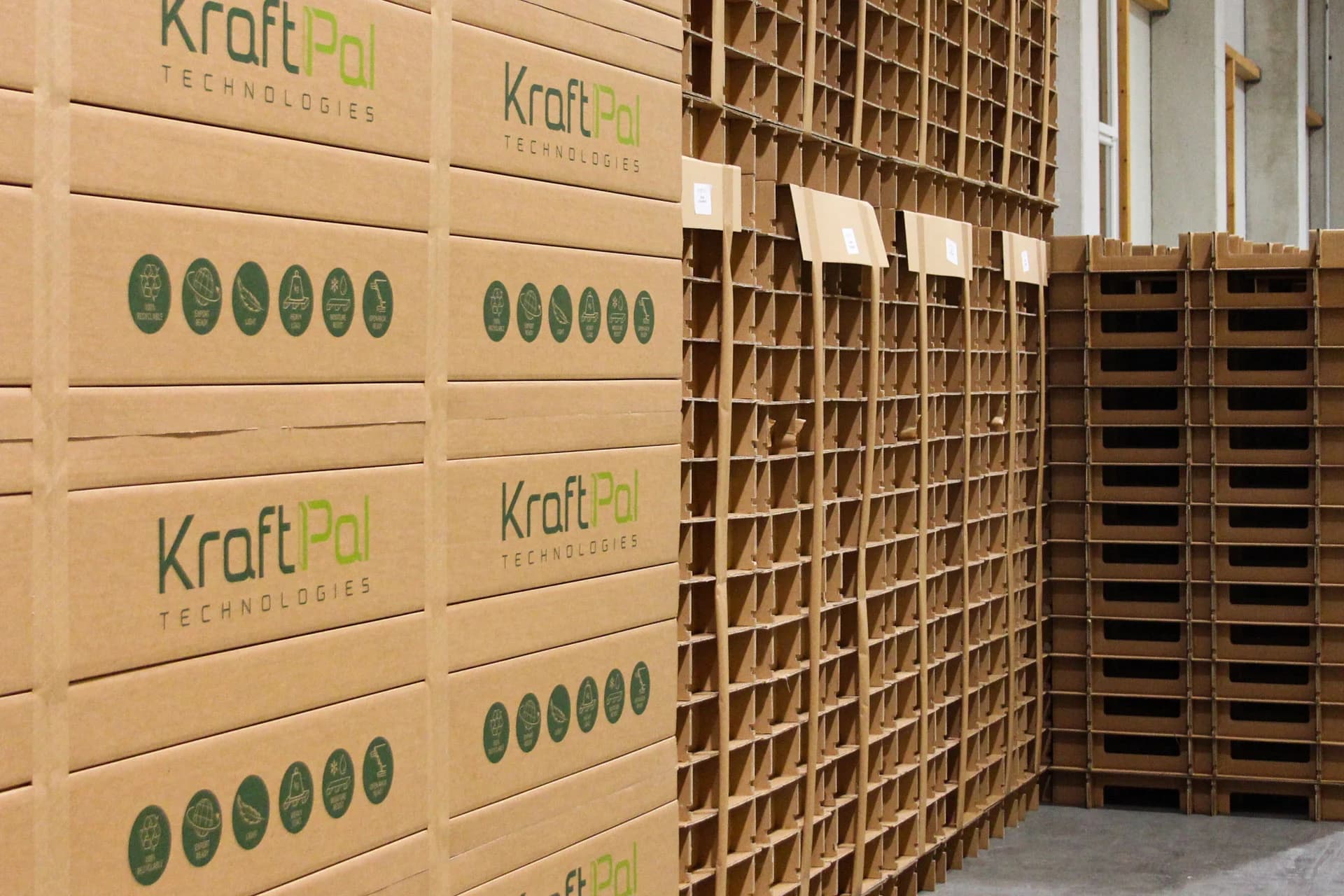
Sustainability extends beyond raw materials into every movement through the supply chain.
Lightweight pallet systems can reduce handling effort and transported weight, while consistent dimensions support automated factories and warehouses.
Efficient storage, repeatable production, and compatibility with modern material-handling systems all contribute to a more resource-conscious logistics operation.
Environmental progress and operational efficiency are strongest when they are engineered together.
Fibre Engineering and Resource Efficiency
The strength of corrugated structures comes from intelligent geometry rather than material mass alone.
KraftPal engineering focused on load paths, structural stability, and manufacturing precision to achieve required performance with efficient fibre use.
This systems approach demonstrates how careful design can reduce resource intensity without treating performance as an afterthought.
Responsible engineering asks how much value a material can create, not simply how much material can be used.
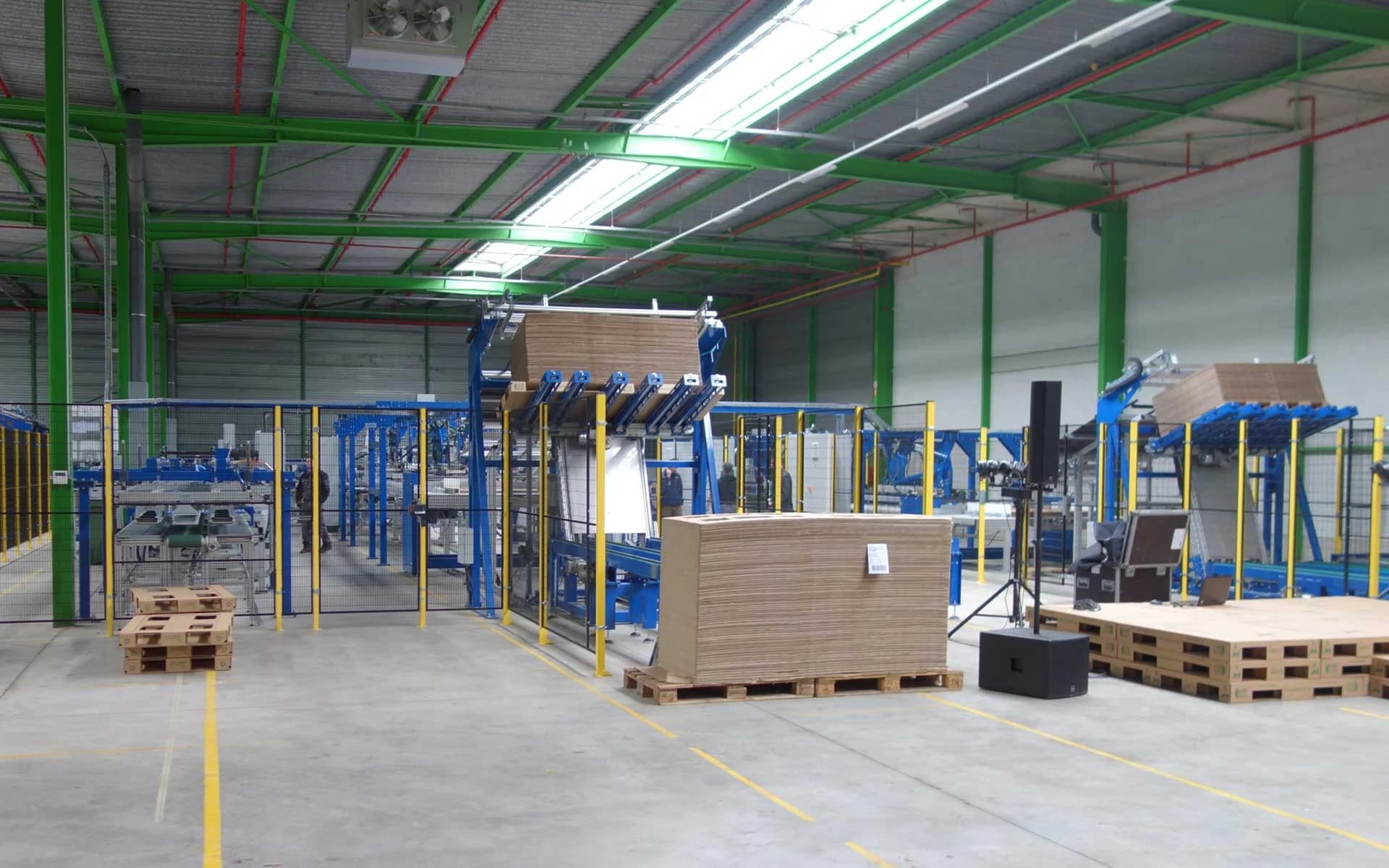

Changing the Industrial Conversation
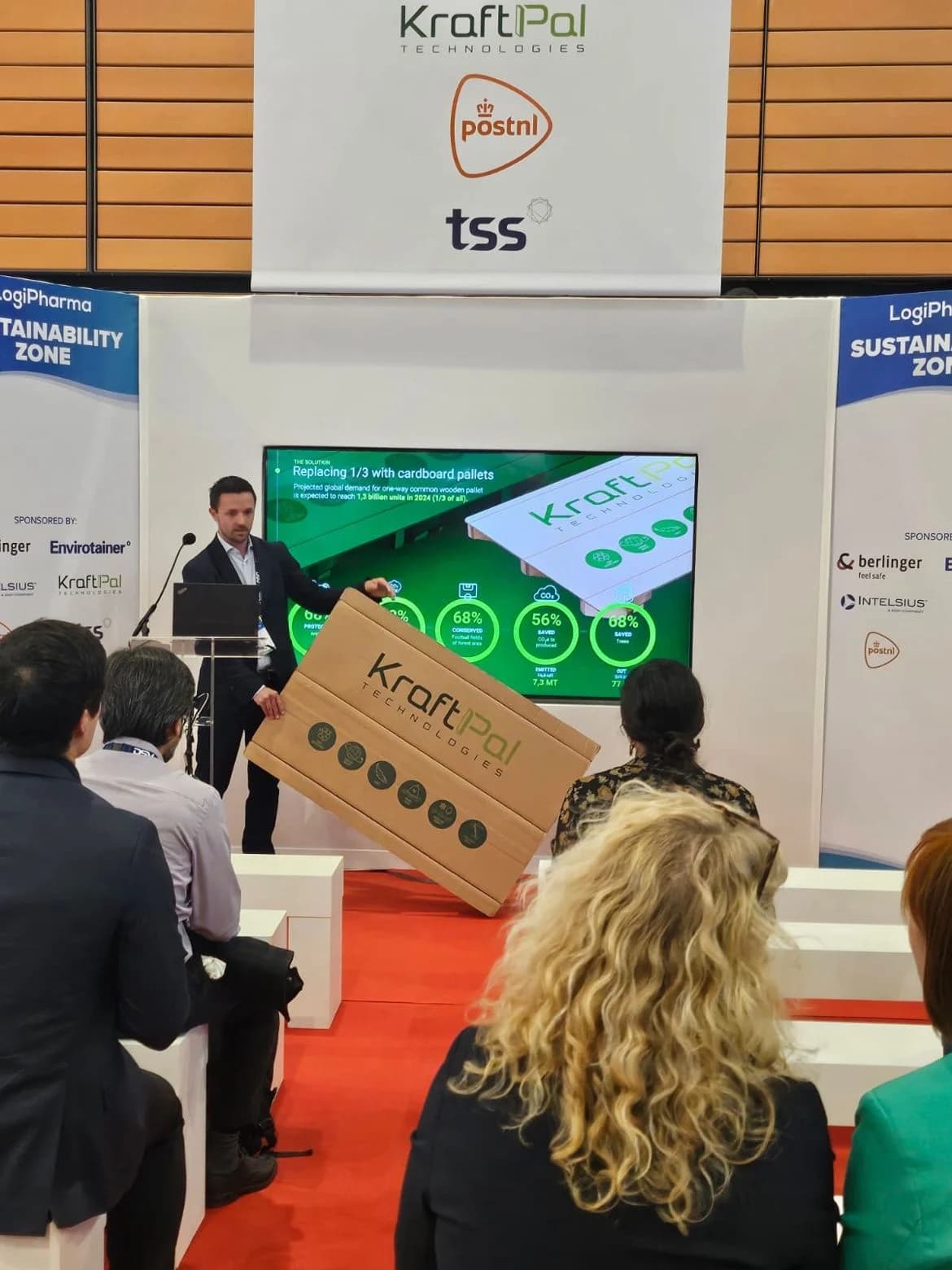

Introducing a sustainable industrial technology requires education as well as engineering.
KraftPal was presented to logistics specialists, manufacturers, investors, and industry organisations across international markets.
Those conversations connected a modern technology with the long history of how goods have been moved, stored, and protected.
Progress begins when established assumptions are examined with new evidence and a willingness to change.
A Global Logistics Challenge
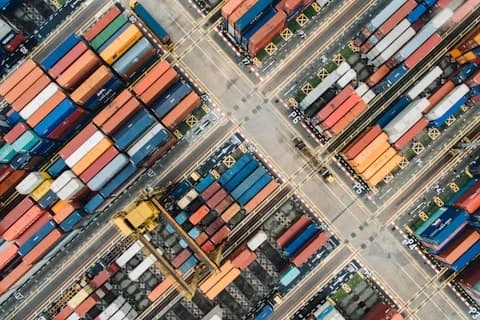
Pallets are part of a vast global system connecting factories, ports, warehouses, retailers, and consumers.
Because they operate at enormous scale, even modest improvements in pallet weight, material use, and recoverability can influence activity throughout the supply chain.
KraftPal approached the pallet as infrastructure: an everyday object whose cumulative impact deserves serious engineering attention.
Global challenges are often shaped by millions of ordinary decisions repeated every day.

Scaling Responsibility
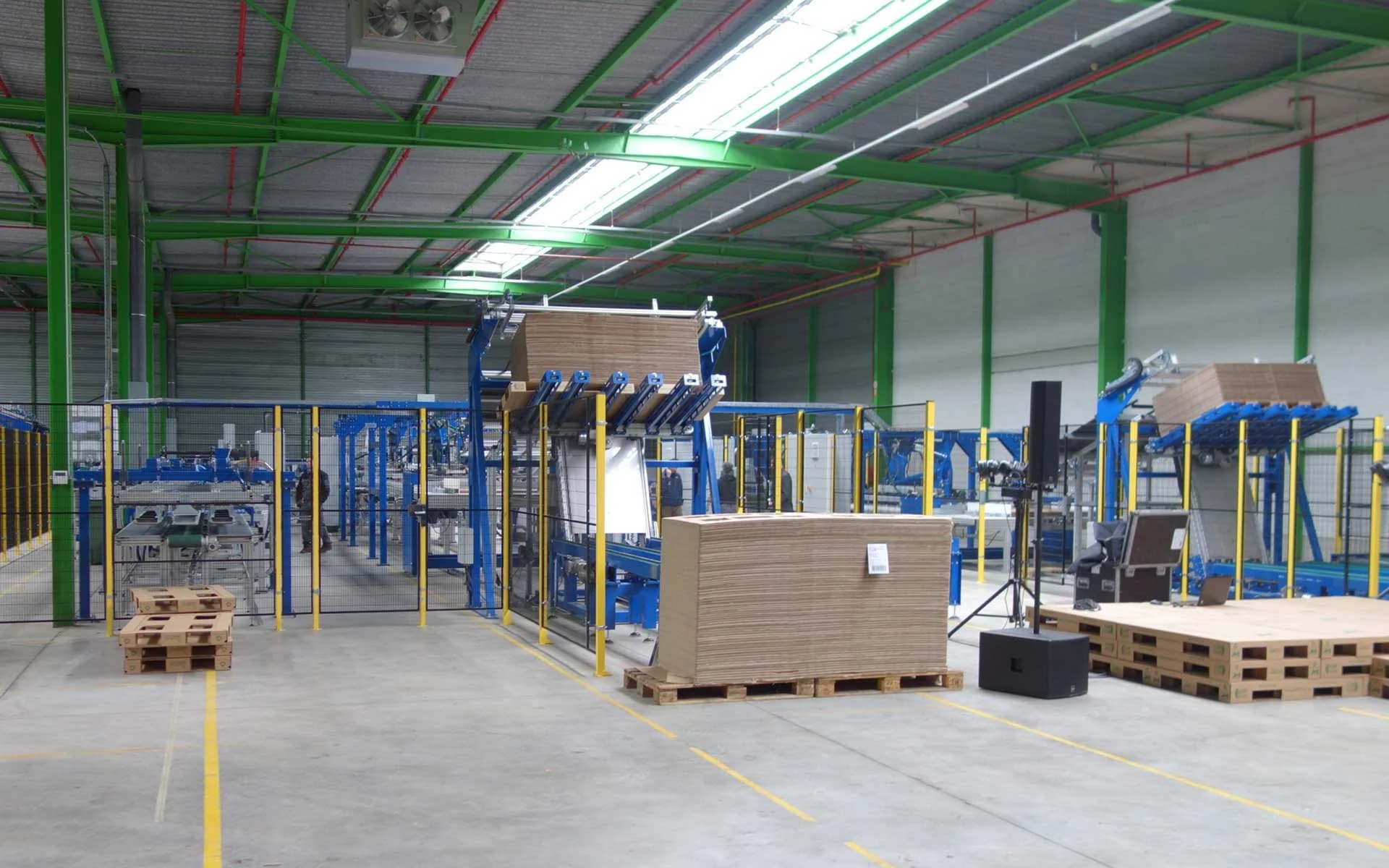

A responsible product must be capable of moving from concept to repeatable industrial production.
Scalability requires consistent materials, reliable manufacturing, quality control, and collaboration across engineering and commercial teams.
Each part of that system must protect the balance between performance, resource use, and long-term value.
Sustainability at scale depends on disciplined systems, not isolated gestures.
Sustainability as a Connected System
No material, factory, or logistics technology operates in isolation.
Cities, production networks, data systems, transportation infrastructure, and consumer demand all influence the environmental performance of supply chains.
Meaningful progress requires collaboration across those connections and clear understanding of where each decision creates impact.
- Material and product engineering.
- Efficient industrial production.
- Data-informed logistics planning.
- Recovery and recycling networks.
- International collaboration.
The strongest sustainability strategies improve the behaviour of the whole system.


The Road Ahead
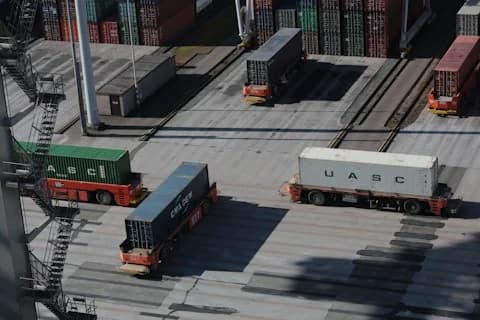

The future of logistics will be shaped by smarter infrastructure, cleaner movement, and more efficient use of resources.
Road, rail, shipping, automation, and digital coordination will continue to evolve together. The products moving through those systems must evolve as well.
KraftPal remains an example of what becomes possible when a familiar industrial standard is reconsidered through engineering and environmental responsibility.
A more sustainable future is built by redesigning the everyday systems the world already depends on.