2013-2016 - From Pilot Production to Commercial Validation: PalletKraft Builds Its R&D Foundation
Between 2013 and 2016, PalletKraft moved from an early corrugated-pallet concept into a structured R&D and commercialization program, establishing pilot production, logistics partnerships, licensing and testing with more than 200 companies.
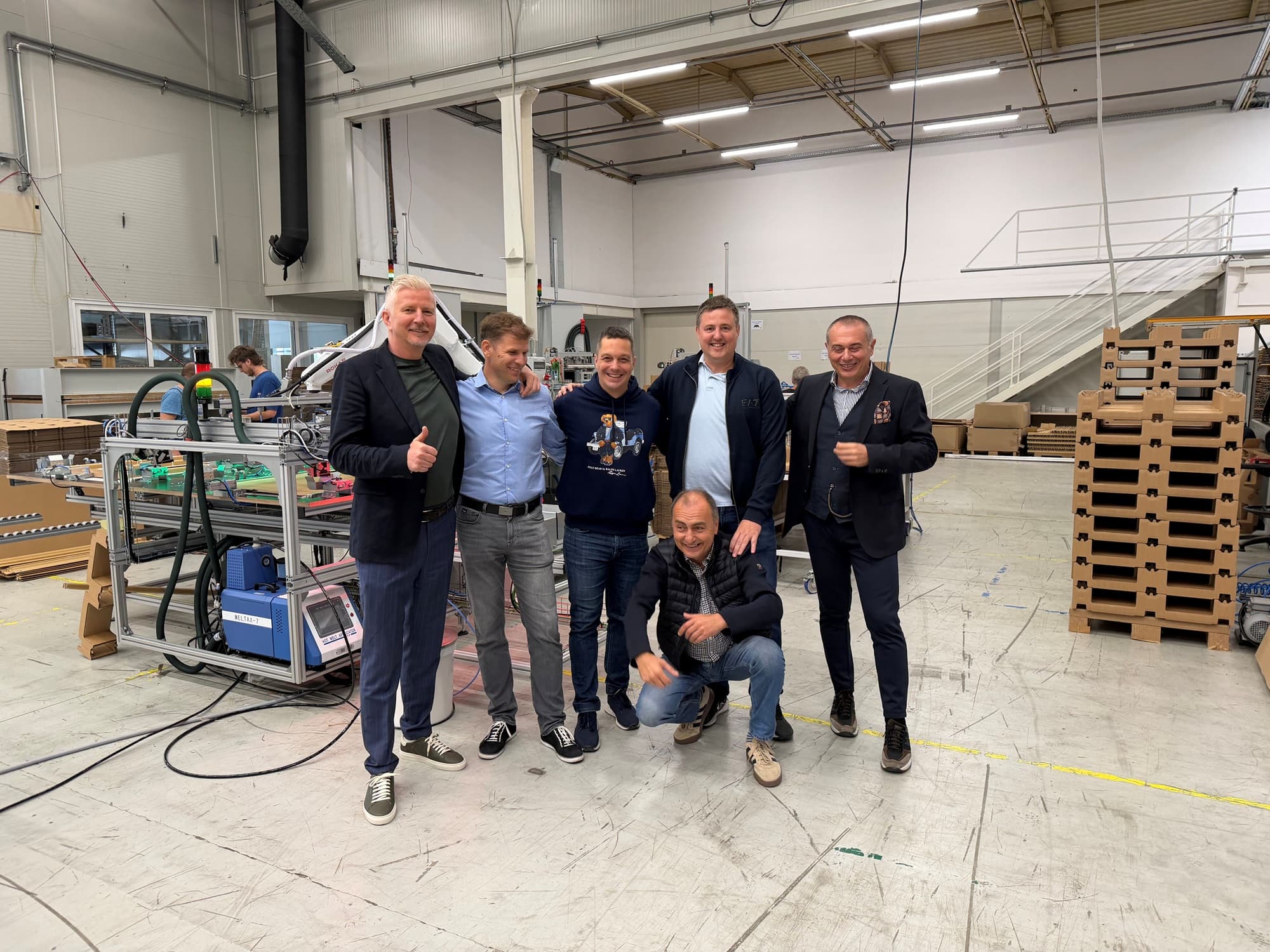
The First Pilot Production Unit
On 1 February 2013, the project established its first pilot production unit and R&D center in Limbus, in the industrial area near Maribor. This changed the development process materially. Instead of relying on isolated prototypes, the engineering team gained a physical environment in which pallet designs and production processes could be continuously modified, tested and improved.
Commercial Reality Arrives Early
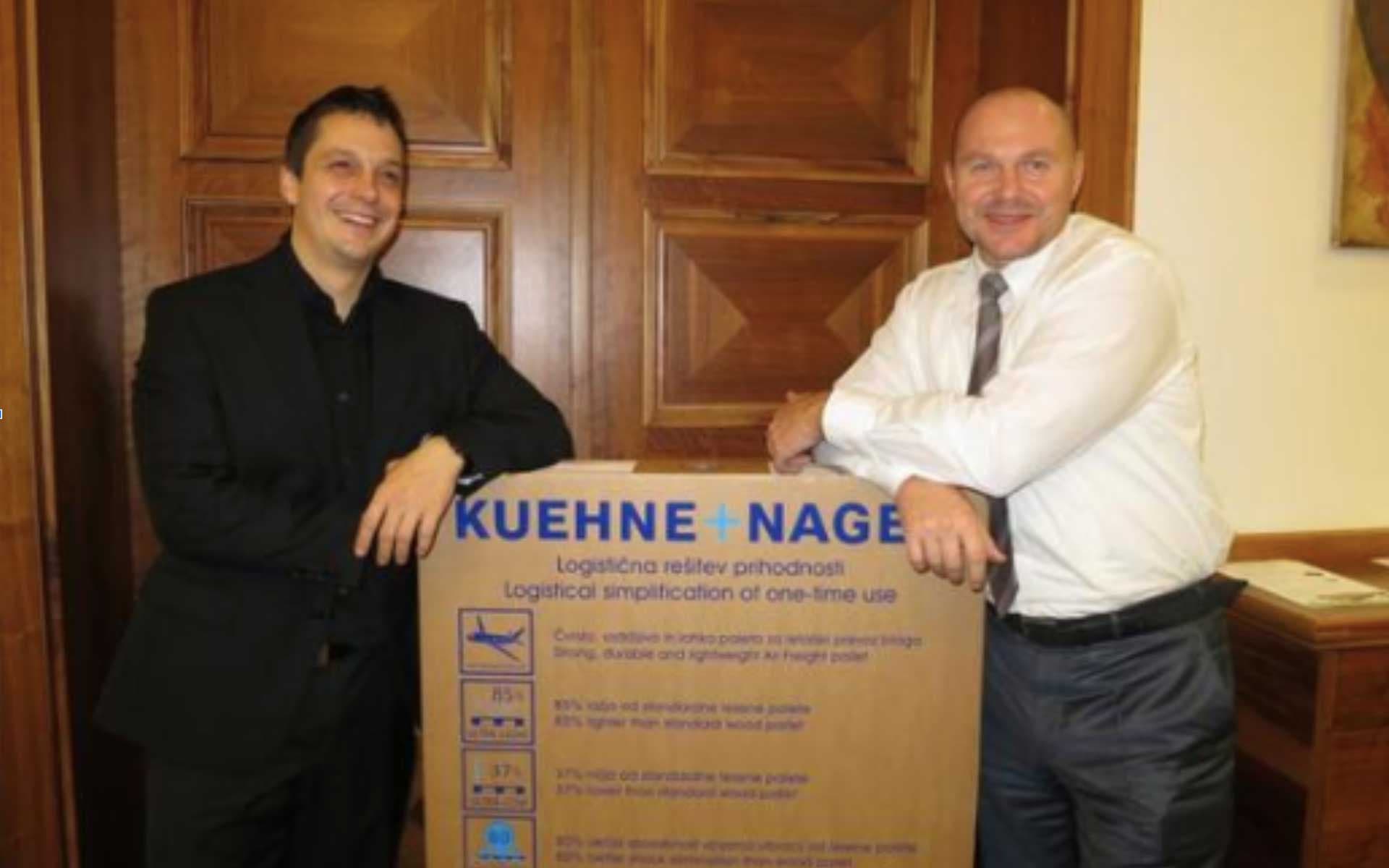
Later in 2013, PalletKraft recorded an important commercial step through cooperation with Kuehne + Nagel in Slovenia. The historical KraftPal record states that early pallets were supplied into logistics flows that included airfreight from Ljubljana toward the United States.
The significance was not simply the name of the logistics company. Real supply chains expose weaknesses that laboratory development alone cannot reveal. Handling, loading, transportation, storage and customer processes create practical requirements that force industrial products to mature.
The Licensing Model Begins to Take Shape
In 2015, the first PalletKraft license was granted in Belgium, with a pilot plant in Mechelen. The corporate history described the unit as designed around automated production with potential capacity of up to 1.5 million corrugated pallets.
This represented an important evolution in the business model. Rather than assuming that every market would be served from one centralized factory, the project began exploring localized production close to demand - a model that would later become central to KraftPal's international expansion strategy.
More Than 200 Companies Test or Use the Technology
By February 2016, KraftPal's historical record stated that more than 200 global and recognized local companies from multiple industries had tested or used PalletKraft corrugated pallets.
This should be presented carefully: it does not mean 200 long-term customers. It does demonstrate the scale of the market-validation effort and the number of real organizations through which the product concept was exposed to practical requirements.
A Technology Company Is Built Around the Product
During these years, the project increasingly became more than a pallet design. It required engineering, production know-how, licensing structures, market testing, international advisers and an R&D organization capable of turning feedback into new product generations.
For the later ZeeQuest story, this period is especially relevant because it shows the founder operating through a full venture-development cycle: product validation, R&D, commercialization, partnerships, licensing and international market development.
← Previous Milestone: 21 December 2012 - From Maribor to a Global Industrial Vision: The PalletKraft Project Begins
→ Next Milestone: 2016-2017 - PalletKraft Evolves Into KraftPal as the X-Pallet Breakthrough Redefines the Technology