2018-2019 - KraftPal Moves From Product Innovation Toward an International Licensing Network
KraftPal's 2018-2019 expansion into Austria, Finland and the GCC illustrates the transition from industrial product development toward a localized production and licensing model.
The Commercial Model Evolves
By 2018, the KraftPal challenge was no longer limited to proving that the pallet technology could work. The next question was how to scale production across markets without forcing customers to depend on a single distant manufacturing location.
Austria Becomes a Key European Production Step
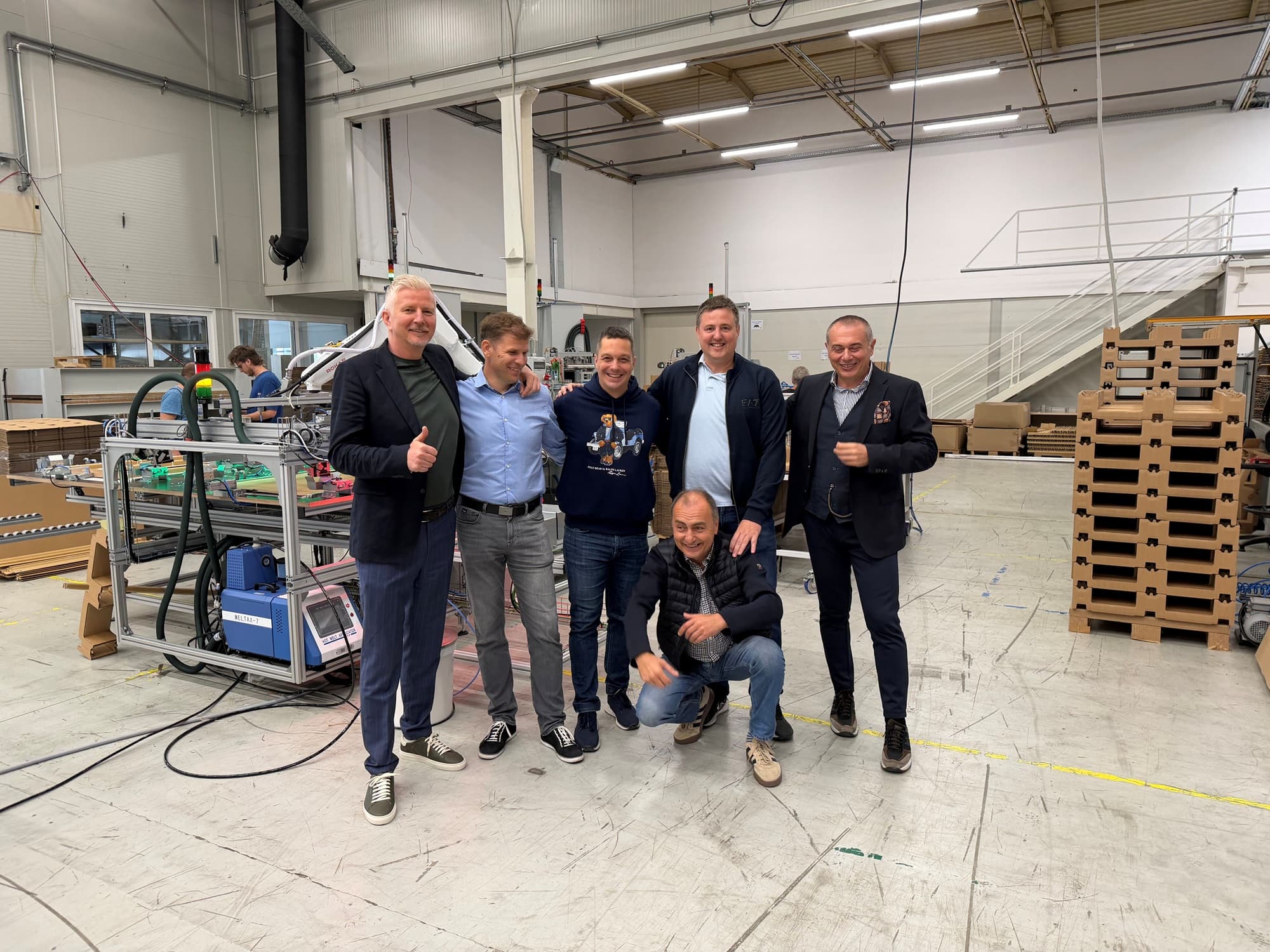
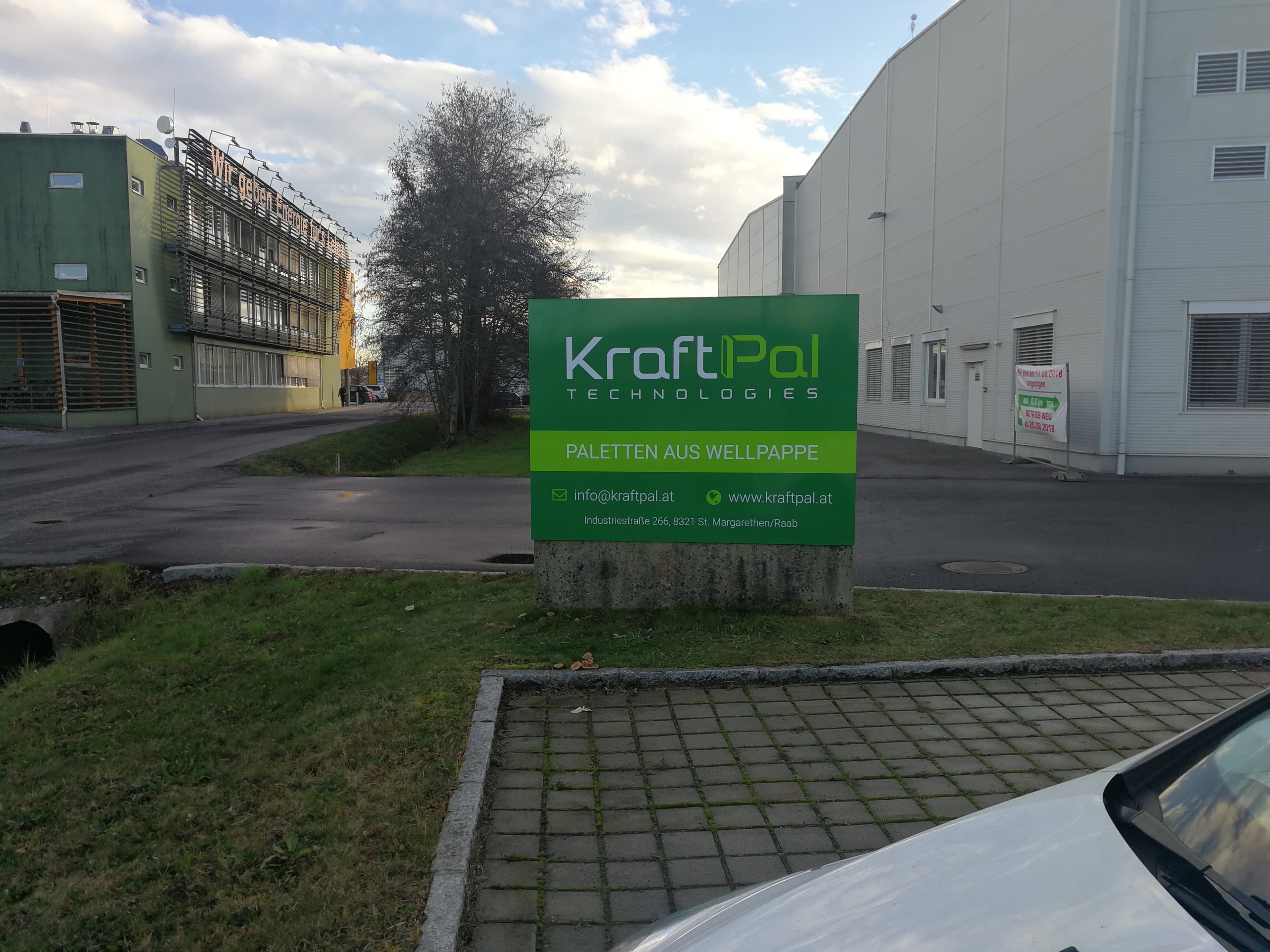
In June 2018, KraftPal's historical timeline recorded plans to relocate pilot production to the Graz region of Austria. By 2019, KraftPal Austria was operating from an industrial facility at St Margarethen an der Raab, with space for production, storage and offices serving Austrian and cross-border customers.
Localized Production as a Strategic Principle
The model reflected a simple industrial reality: pallets are high-volume logistics products, and proximity to customers matters. Local production can reduce transportation inefficiency, improve responsiveness and create a clearer route for regional market development.
Finland and the GCC
In 2019, KraftPal also announced collaboration toward a Finnish production unit. In December of the same year, the company signed a licensing agreement with ISOL covering GCC markets including Saudi Arabia, Qatar, the United Arab Emirates, Oman, Kuwait and Bahrain.
Licensing Was More Than Selling Machinery
The intended model combined technology, production equipment, know-how, market rights and local execution. A regional partner would not simply acquire a machine; it would participate in building a local KraftPal market around a standardized technology platform.
A Repeatable International Expansion Model
This period is important in the founder's history because it shows the shift from inventing a product to designing a repeatable commercialization architecture. Technology had to be packaged with manufacturing, training, business development and territorial execution.
Relevance to ZeeQuest
ZeeQuest's later ecosystem model is broader and structurally different, but the experience of building local execution around centralized intellectual property is part of the founder's accumulated venture-building knowledge.
The lesson is straightforward: global technology scale requires a model that connects intellectual property with capable local operators, market access, capital and execution.
← Previous Milestone: 2017 - KraftPal Expands the Platform With an Airfreight Pallet Developed With DHL
→ Next Milestone: 9 October 2020 - KraftPal X-Pallet Wins the Austrian Green Packaging Star Award